Preparing Your Home for Winter: Essential Roofing and Siding Tips
JP
Inspect Your Roof for Damage
As winter approaches, it's crucial to inspect your roof for any signs of damage. Look for missing or damaged shingles, as these can lead to leaks when snow and ice accumulate. Pay special attention to the areas around chimneys and vents, where water can easily seep in.

If you notice any issues, it's wise to address them promptly. Repairs can be more challenging once winter weather sets in, so taking the time now can save you headaches later. Consider hiring a professional roofing contractor for a thorough inspection if you're unsure about what to look for.
Clean and Maintain Gutters
Cleaning your gutters is an essential step in preparing your home for winter. Clogged gutters can cause water to back up and damage your roof, siding, and foundation. Remove leaves, twigs, and other debris to ensure water flows freely.
After cleaning, check the gutters for any signs of damage or sagging. It's important to fix these issues to prevent water from pooling and freezing, which can cause further damage. Proper maintenance will help protect your home from potential water damage during the winter months.

Check Your Siding
Your home's siding plays a crucial role in protecting it from the elements. Before winter arrives, examine the siding for cracks, holes, or any other signs of wear. Damaged siding can let in moisture, which may lead to mold and other issues.
If you find any problems, consider repairing or replacing the damaged sections. This will not only improve your home's appearance but also enhance its insulation, helping to keep your home warmer during the colder months.
Seal Windows and Doors
Properly sealing your windows and doors is another essential step in winterizing your home. Check for drafts by feeling around the edges for cold air. Use weatherstripping or caulk to seal any gaps, which will help keep your home warm and reduce heating costs.
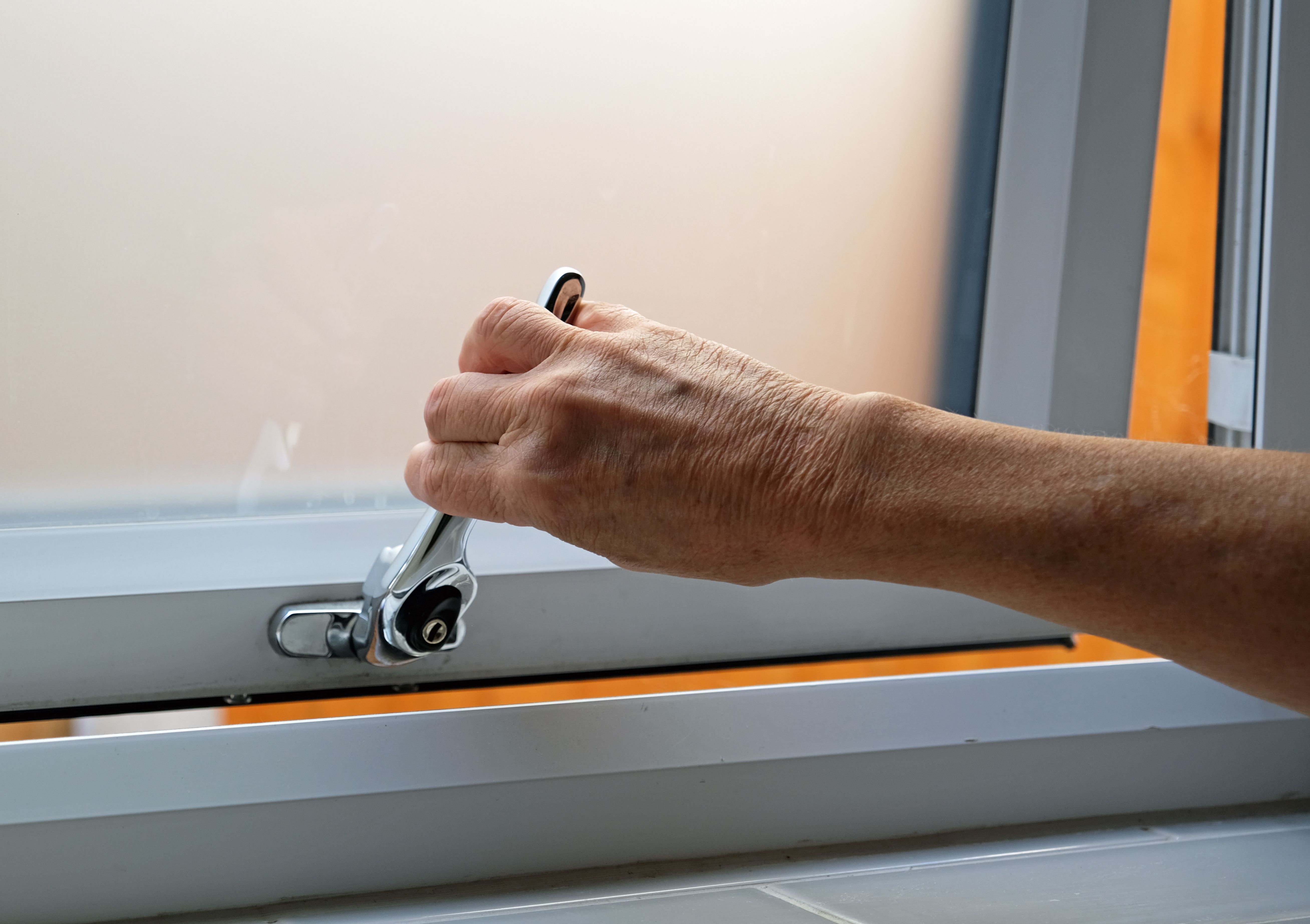
Consider upgrading to storm windows or doors if your current ones are outdated. These provide an extra layer of insulation and can be a valuable investment for your home’s energy efficiency during the winter.
Trim Overhanging Branches
Overhanging tree branches can pose a significant threat during winter storms. Heavy snow or ice can cause branches to break and fall, potentially damaging your roof or siding. Trim any branches that hang over your home to minimize this risk.
Regular tree maintenance not only protects your home but also keeps your landscape healthy. If you're unsure about trimming large branches yourself, hiring a professional arborist can ensure the job is done safely and correctly.