How to Select the Best Roofing Material for Montana's Climate
JP
Understanding Montana's Climate
Montana's climate is characterized by cold, snowy winters and warm, dry summers. This diverse climate requires roofing materials that can withstand both extreme cold and intense heat. Selecting the right roofing material is crucial for ensuring longevity and performance in these conditions.
The state's weather can be unpredictable, with significant temperature fluctuations. It's essential to understand these environmental factors when choosing your roofing material, as not all options are suitable for Montana's unique climate.
Durability and Longevity
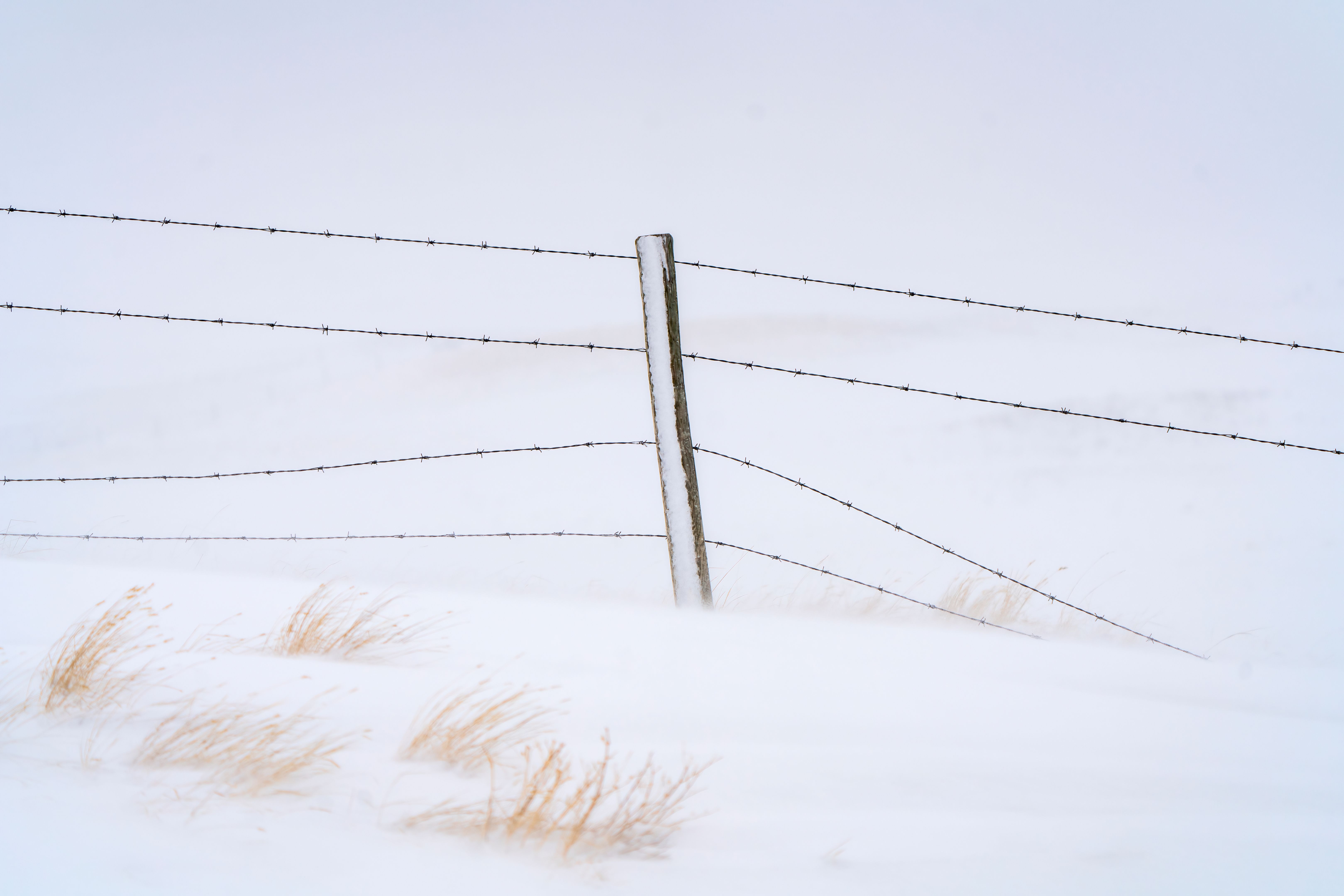
When selecting a roofing material for Montana, consider durability and longevity. The material should be able to withstand heavy snowfall and resist damage from hail and high winds. Here are some materials that are known for their durability:
- Metal Roofing: Known for its strength and ability to shed snow easily.
- Slate Tiles: Offers excellent durability but can be expensive and heavy.
- Asphalt Shingles: A cost-effective option with decent longevity.
Energy Efficiency
Energy efficiency is another critical factor. In Montana's climate, a roof that helps maintain a stable indoor temperature can reduce energy costs significantly. Materials that provide good insulation or reflectivity can keep your home warmer in the winter and cooler in the summer.
Consider options like metal or light-colored shingles that reflect sunlight, reducing cooling costs during hot months. Additionally, proper insulation beneath the roofing material can enhance energy efficiency.
Aesthetic Appeal
While functionality is vital, aesthetic appeal should not be overlooked. Your roof is a significant part of your home's visual appearance. Choose a material and color that complements your home's style and the surrounding environment.
Slate and clay tiles offer a classic look, while metal roofing can provide a modern, sleek appearance. Asphalt shingles come in various colors and styles, making them a versatile choice for many homeowners.
Cost Considerations
The cost of roofing materials can vary widely, and it's essential to balance upfront expenses with long-term benefits. While some materials like slate and metal may have higher initial costs, their durability and longevity can offer long-term savings.
On the other hand, asphalt shingles are often more budget-friendly but may require more frequent replacement. Evaluate your budget and consider both the immediate and ongoing costs associated with each material.
Environmental Impact
For environmentally-conscious homeowners, the ecological impact of roofing materials is an important consideration. Look for materials that are recyclable or have a low environmental footprint. Metal roofing, for example, is often made from recycled materials and is fully recyclable at the end of its life.
Additionally, consider the energy efficiency of your chosen material, as an energy-efficient roof can reduce your home's overall carbon footprint.
Professional Installation
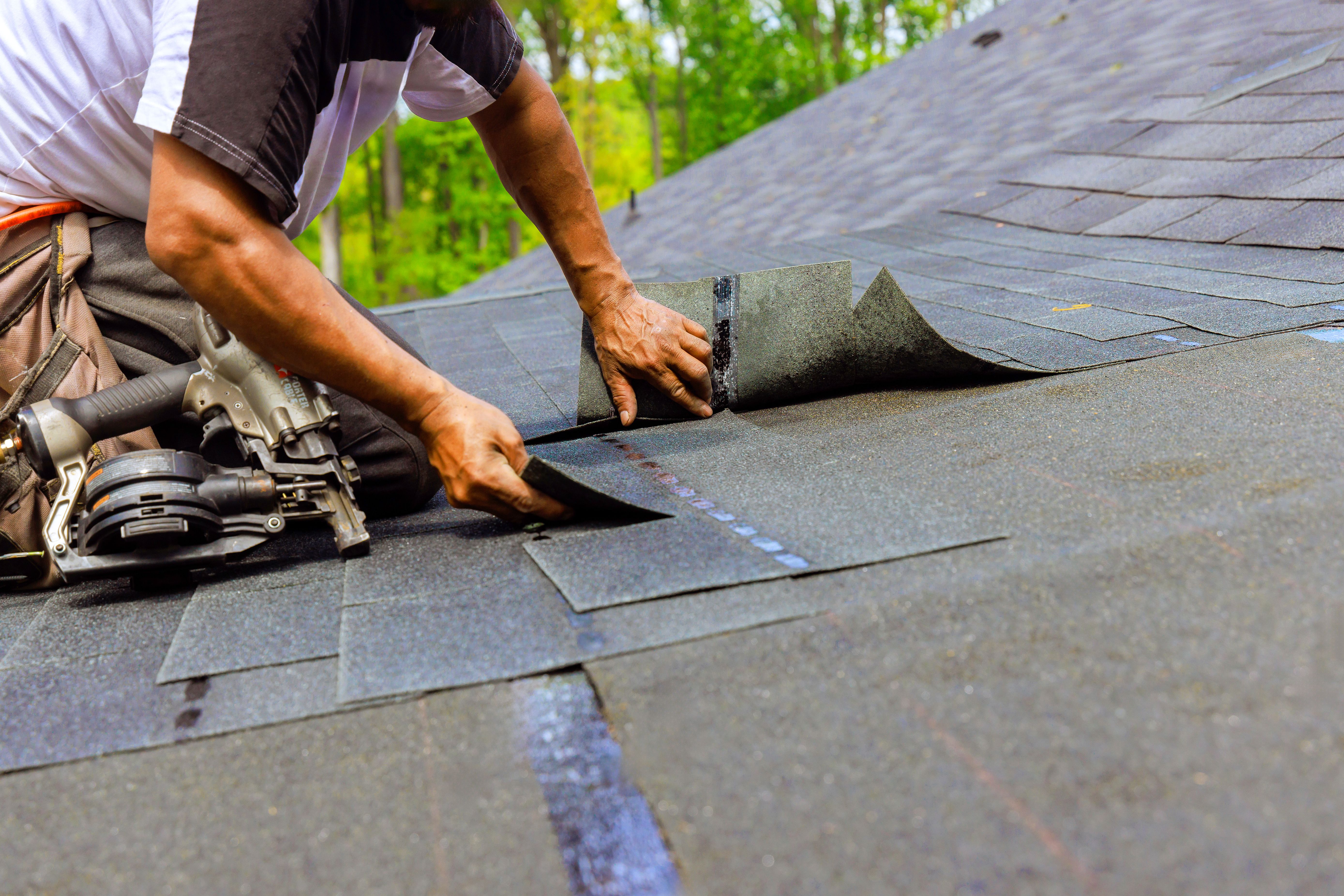
Finally, ensure that your chosen material is installed by experienced professionals. Proper installation is crucial for maximizing the lifespan and performance of your roof. Research local contractors and check reviews to find a reputable installer.
Professional installation also ensures that any warranties or guarantees on the materials are upheld, providing you with peace of mind and protection for your investment.