Energy-Efficient Siding Options: A Guide to Saving on Your Utility Bills
JP
In the quest for a more sustainable and cost-effective home, energy-efficient siding options are gaining popularity. Not only do these sidings enhance the aesthetic appeal of your home, but they also significantly reduce utility bills. Understanding the types available and their benefits can help you make an informed decision.
Benefits of Energy-Efficient Siding
Energy-efficient siding acts as an additional layer of insulation, keeping your home cooler in the summer and warmer in the winter. This can lead to significant savings on heating and cooling costs. Moreover, these sidings often come with improved durability, reducing maintenance expenses over time.
Another key advantage is the positive environmental impact. By reducing your energy consumption, you’re contributing to a decrease in greenhouse gas emissions. Plus, many of these siding options are made from recycled materials, making them an eco-friendly choice.
Types of Energy-Efficient Siding
Vinyl Siding
Vinyl siding is a popular choice due to its affordability and low maintenance. It offers excellent insulation properties, especially when combined with foam backing. This type of siding is available in a variety of colors and styles, allowing homeowners to customize the look of their homes.
Fiber Cement Siding
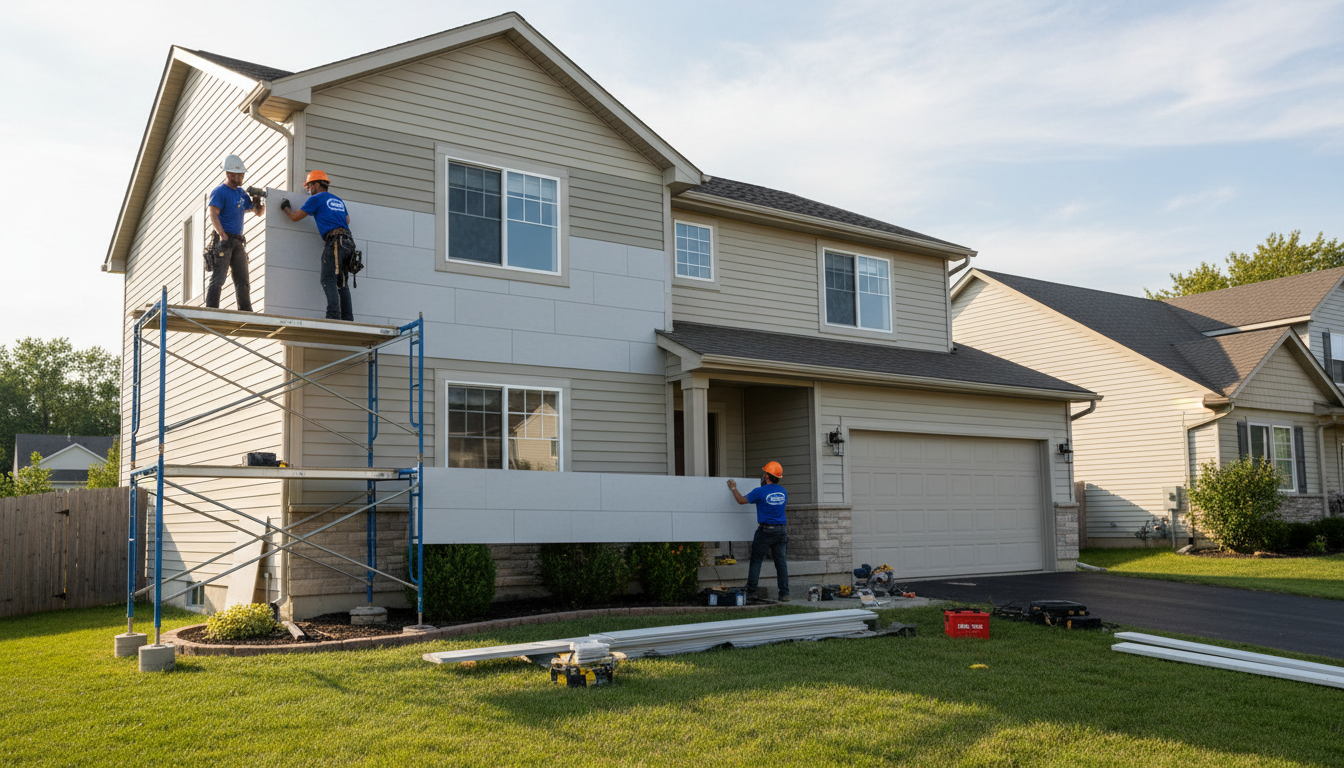
Fiber cement siding is renowned for its durability and resistance to extreme weather conditions. It provides good insulation and is available in designs that mimic wood, stone, or brick, offering a versatile aesthetic appeal. Despite being slightly more expensive, its longevity and low maintenance make it a worthy investment.
Wood Siding
Wood siding, particularly when treated and maintained properly, offers natural insulation properties. It gives homes a classic, timeless look and can be very energy-efficient if installed correctly. However, it requires regular upkeep to prevent damage from insects and weather.
Choosing the Right Siding for Your Home
When selecting energy-efficient siding, consider factors such as climate, budget, and personal style preferences. Assess the R-value, which measures the siding’s resistance to heat flow—the higher the R-value, the better the insulation. Consulting with a professional can provide additional insights tailored to your specific needs.
Installation Tips
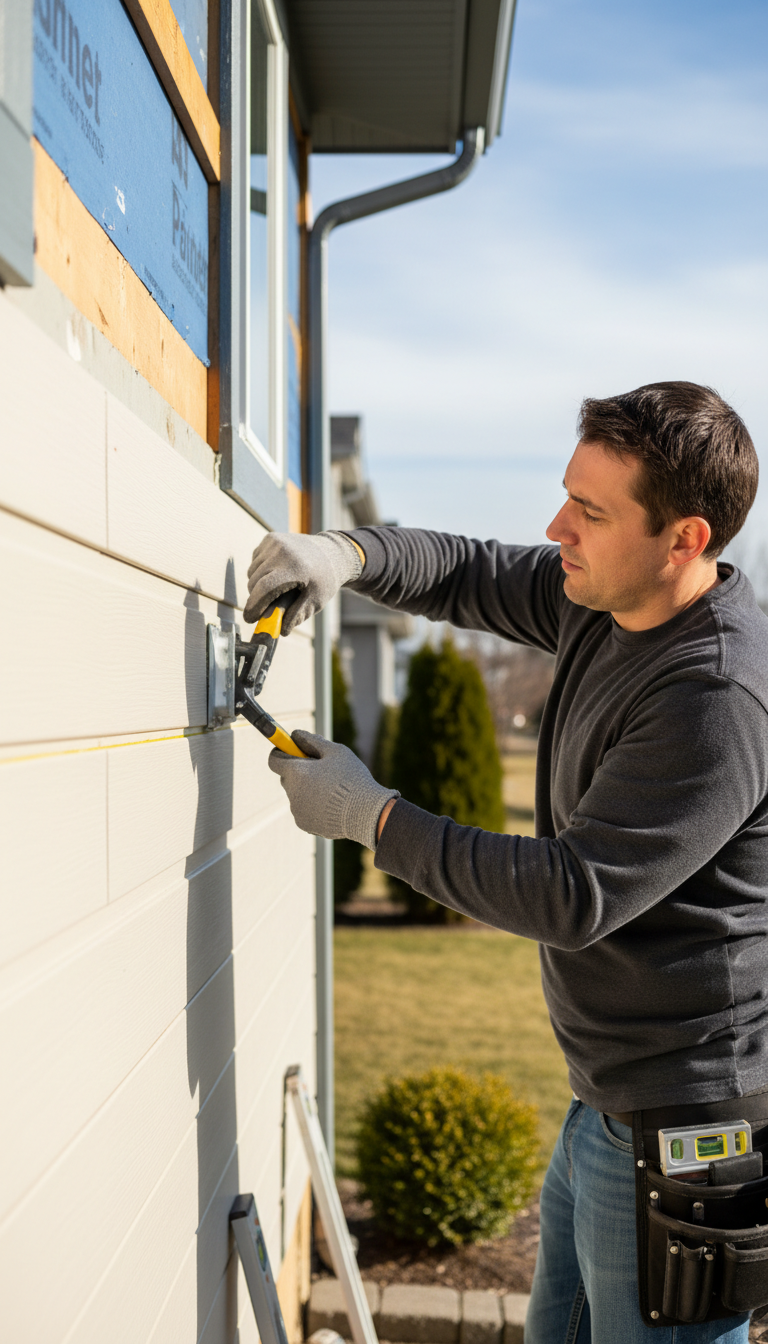
Proper installation is crucial to maximizing the energy efficiency of your siding. Ensure that the siding is installed tightly to avoid air leaks. Additionally, consider adding a weather-resistant barrier for enhanced protection against moisture and drafts.
Conclusion
Investing in energy-efficient siding is a smart move for homeowners looking to reduce utility bills and enhance their home’s appeal. With various options available, there’s a perfect fit for every style and budget. By choosing the right siding and ensuring proper installation, you can enjoy a comfortable, energy-efficient home year-round.