DIY Tips for Minor Roof Repairs Before Calling a Professional
JP
Assessing the Damage
Before diving into any repair work, it's crucial to assess the extent of the roof damage. Minor issues like a few missing shingles or small leaks can often be handled without professional help. However, if the damage is extensive, it might be best to call in a professional. Carefully inspect your roof from the ground using binoculars, or safely climb onto your roof if you feel comfortable doing so.
Check for missing or damaged shingles, leaks, and any signs of wear and tear. Also, look for debris accumulation, as this can trap moisture and cause further damage. Remember, safety is paramount, so never attempt to inspect your roof in bad weather or if you feel unsure about your footing.

Gathering the Necessary Tools
Once you've assessed the damage, gather the necessary tools and materials. Common tools for minor roof repairs include a ladder, roofing nails, a hammer, roofing cement, and replacement shingles. Having all tools at hand will make the process smoother and more efficient.
Ensure you have proper safety gear, such as gloves and non-slip shoes, to protect yourself while working on the roof. It's also wise to have a helper around to assist with tasks and ensure your safety.
Repairing Shingles
One of the most common minor roof repairs involves replacing or securing shingles. To fix a loose or curled shingle, apply a small amount of roofing cement underneath it and press down firmly. If you need to replace a shingle, gently lift the edges of the surrounding shingles and remove the damaged one by removing the nails.
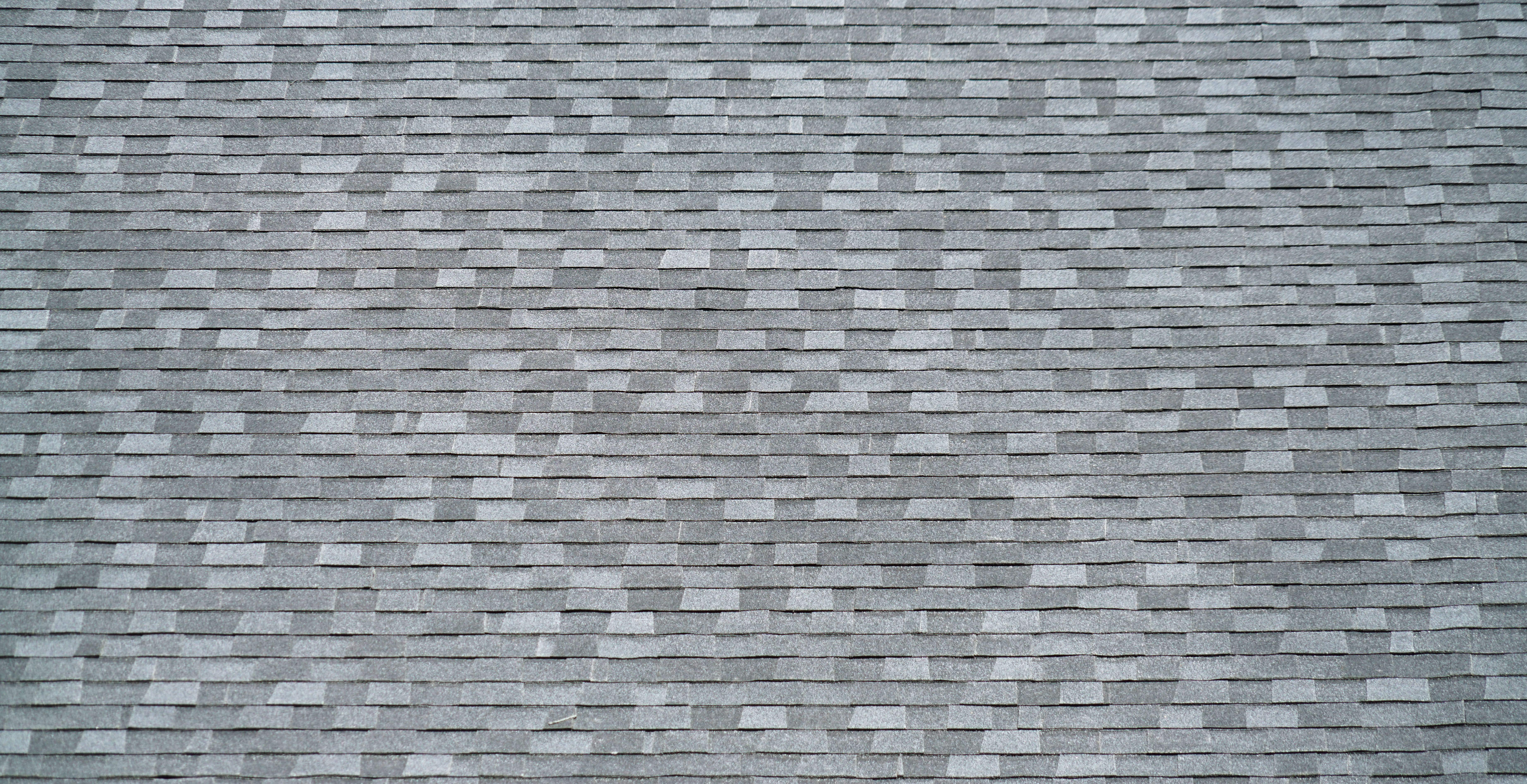
Slide the new shingle into place and secure it with nails, ensuring the edges are well-sealed with roofing cement. This will prevent water from seeping underneath and causing leaks.
Fixing Small Leaks
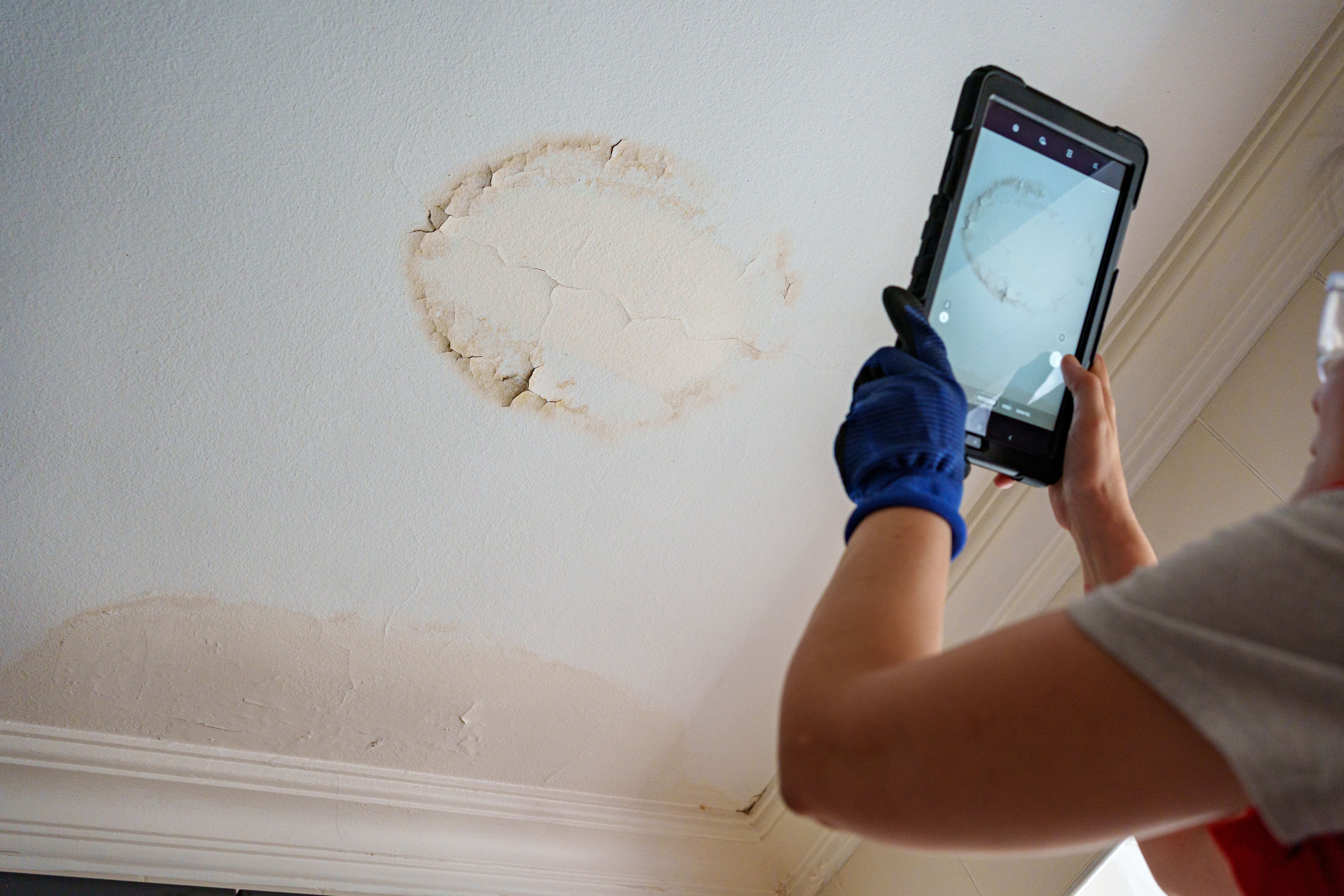
Small leaks can often be patched with roofing cement or sealant. Locate the source of the leak by inspecting the area directly above the water spot inside your home. Once identified, clean the affected area on the roof and apply roofing cement or sealant generously to cover the leak.
Ensure that the patch is smooth and extends beyond the leak to prevent future water intrusion. If the leak persists, it may indicate a more serious issue requiring professional attention.
Maintaining Your Roof
Regular maintenance is key to preventing minor issues from becoming major problems. Trim overhanging branches to prevent debris buildup and damage from falling branches. Clean gutters regularly to ensure proper water drainage and reduce the risk of leaks.
Schedule routine inspections, especially after major storms, to catch any potential problems early. By staying proactive, you can extend the lifespan of your roof and avoid costly repairs in the future.
When to Call a Professional
While DIY repairs can be effective for minor issues, some situations require professional expertise. If you notice extensive damage, such as large areas of missing shingles or structural issues, it's time to call a roofing professional. Attempting to handle these repairs on your own could lead to further damage and higher repair costs.
Remember, your safety is the top priority. If you're ever unsure about the severity of the damage or your ability to fix it, don't hesitate to seek professional assistance.