Debunking Common Myths About Vinyl Siding
JP
Vinyl Siding Is Not Durable
One of the most pervasive myths about vinyl siding is that it lacks durability. Many homeowners assume that because it’s lightweight, it's not built to last. However, modern vinyl siding is designed to withstand harsh weather conditions, including strong winds and heavy rain. In fact, high-quality vinyl siding can last up to 50 years with proper maintenance.
Vinyl Siding Looks Cheap
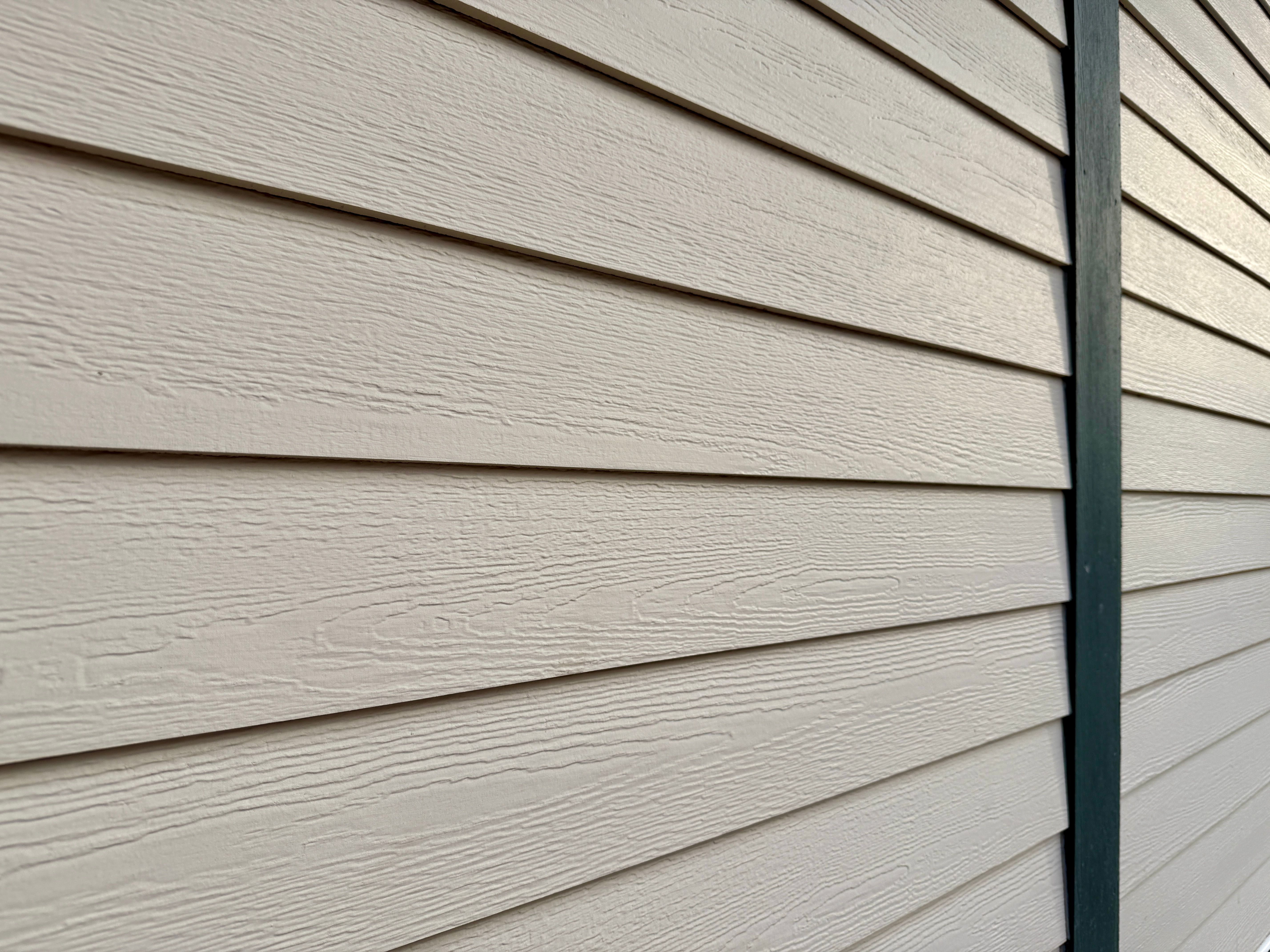
Some people believe that vinyl siding gives a home a "cheap" appearance. This misconception likely stems from earlier versions of vinyl siding that lacked the variety and realism of today's options. Modern vinyl siding comes in a wide range of colors, textures, and styles, including options that mimic wood grains and other natural materials. This allows homeowners to achieve a high-end look without the high-end price.
Variety of Styles
Today, vinyl siding can be found in styles such as clapboard, Dutch lap, and beaded designs. Additionally, it offers a variety of finishes, from matte to gloss, giving homeowners endless possibilities to enhance their home’s curb appeal. The availability of these options debunks the myth that vinyl siding is limited in style and aesthetic appeal.
Vinyl Siding Requires High Maintenance
Another common myth is that vinyl siding requires a lot of maintenance. In reality, vinyl siding is one of the most low-maintenance exterior materials available. Unlike wood, it doesn't need to be painted or sealed regularly. A simple wash with soap and water once a year is usually sufficient to keep it looking new.
Resistant to Pests and Rot
Vinyl siding is also resistant to pests like termites and won't rot or warp, unlike traditional wood siding. This resistance further reduces the need for extensive maintenance and repairs, making vinyl siding a practical choice for busy homeowners.
Vinyl Siding Is Not Eco-Friendly
Environmental concerns are often cited as a reason to avoid vinyl siding. However, the production process for modern vinyl siding has become more eco-friendly. Many manufacturers now offer products that are recyclable and made with sustainable practices. Additionally, vinyl siding can improve a home's energy efficiency by providing extra insulation.
Energy Efficiency
Insulated vinyl siding can help reduce heating and cooling costs, making it a smart choice for energy-conscious homeowners. This added insulation helps maintain a comfortable indoor temperature, further debunking the myth that vinyl siding is environmentally unfriendly.
Conclusion
Debunking these myths reveals that vinyl siding is a versatile, durable, and low-maintenance option for homeowners. With advancements in technology and design, vinyl siding offers aesthetic appeal, durability, and environmental benefits. It's time to reconsider the misconceptions and explore the real advantages of vinyl siding for your home.